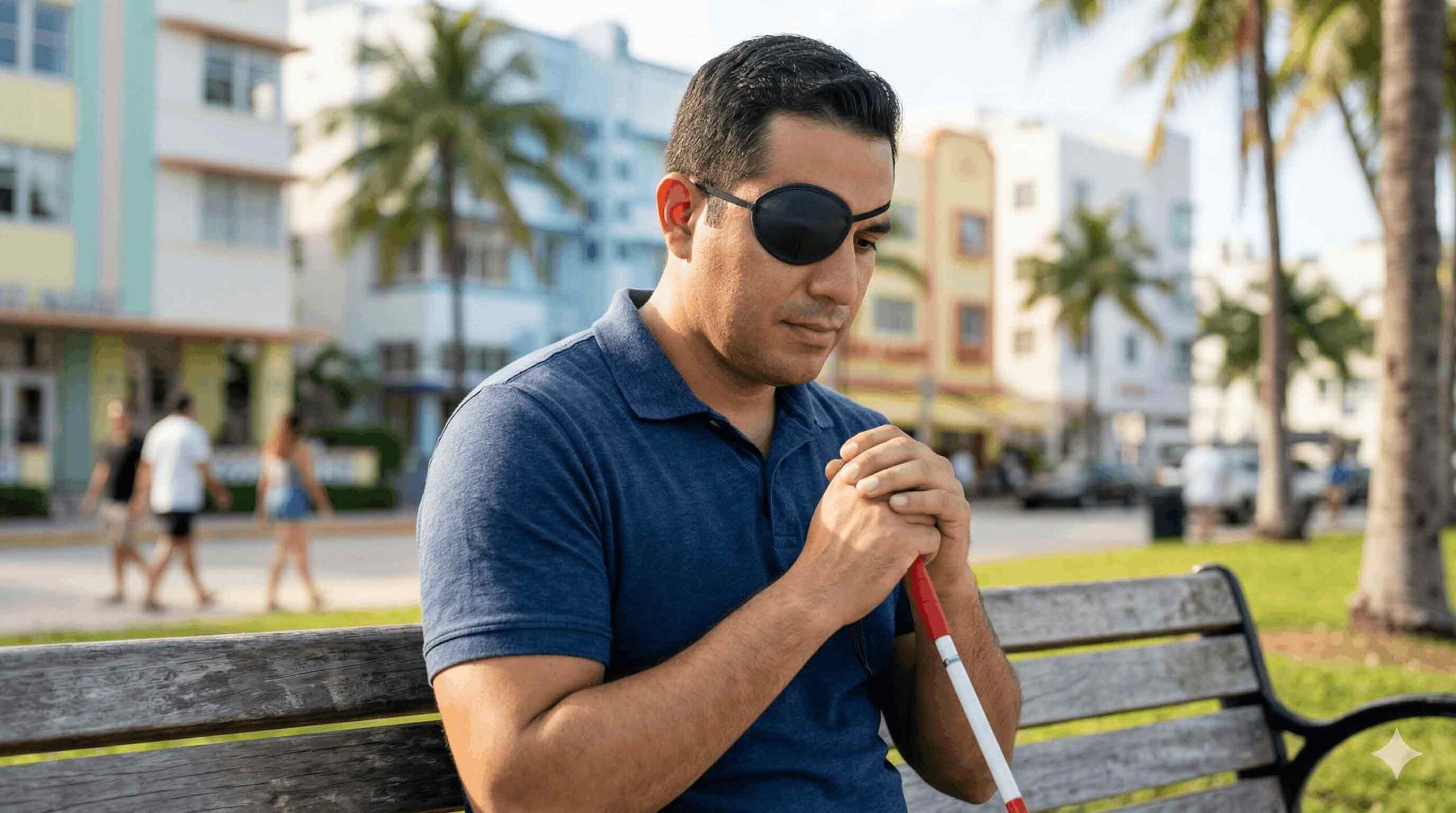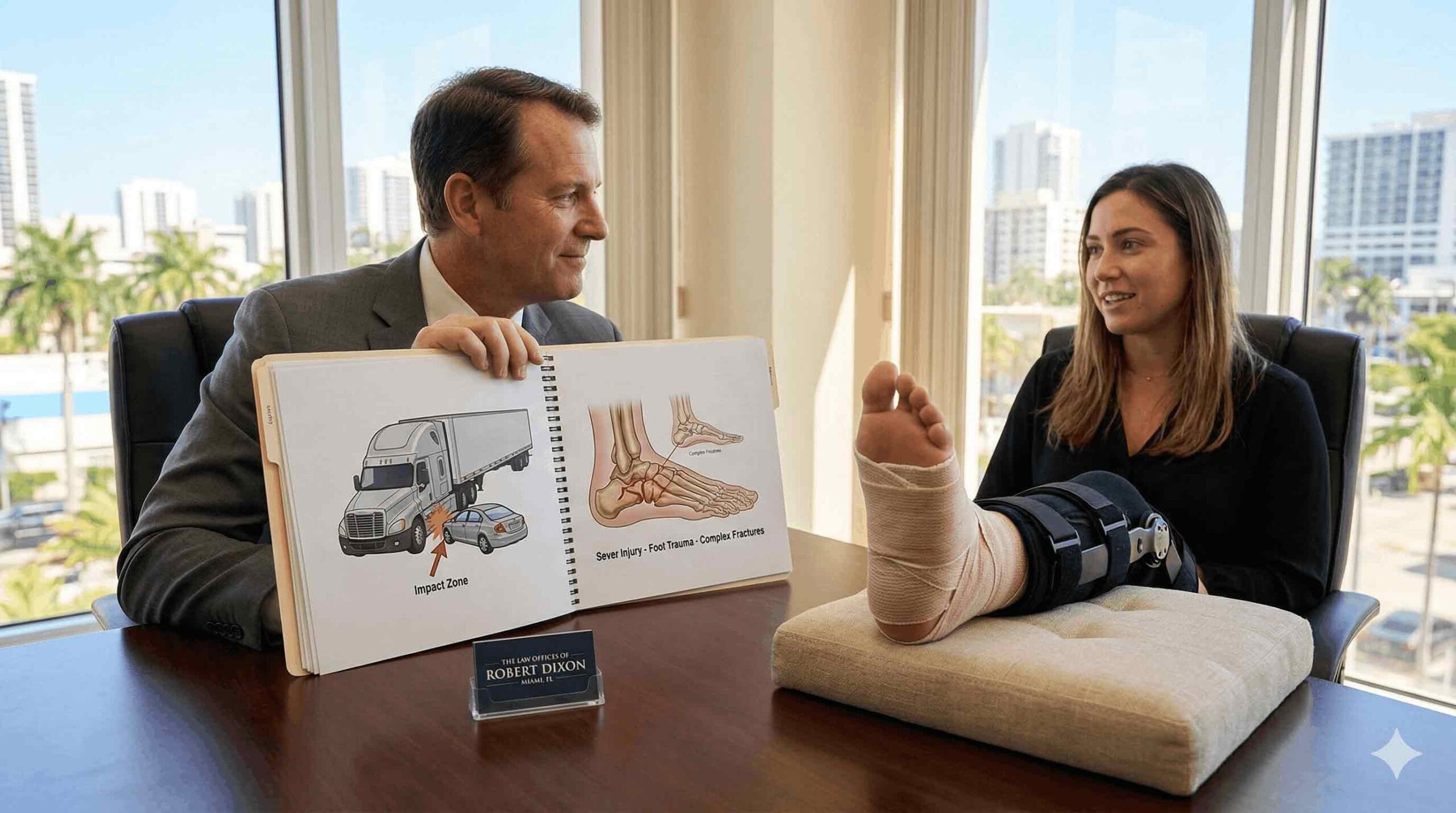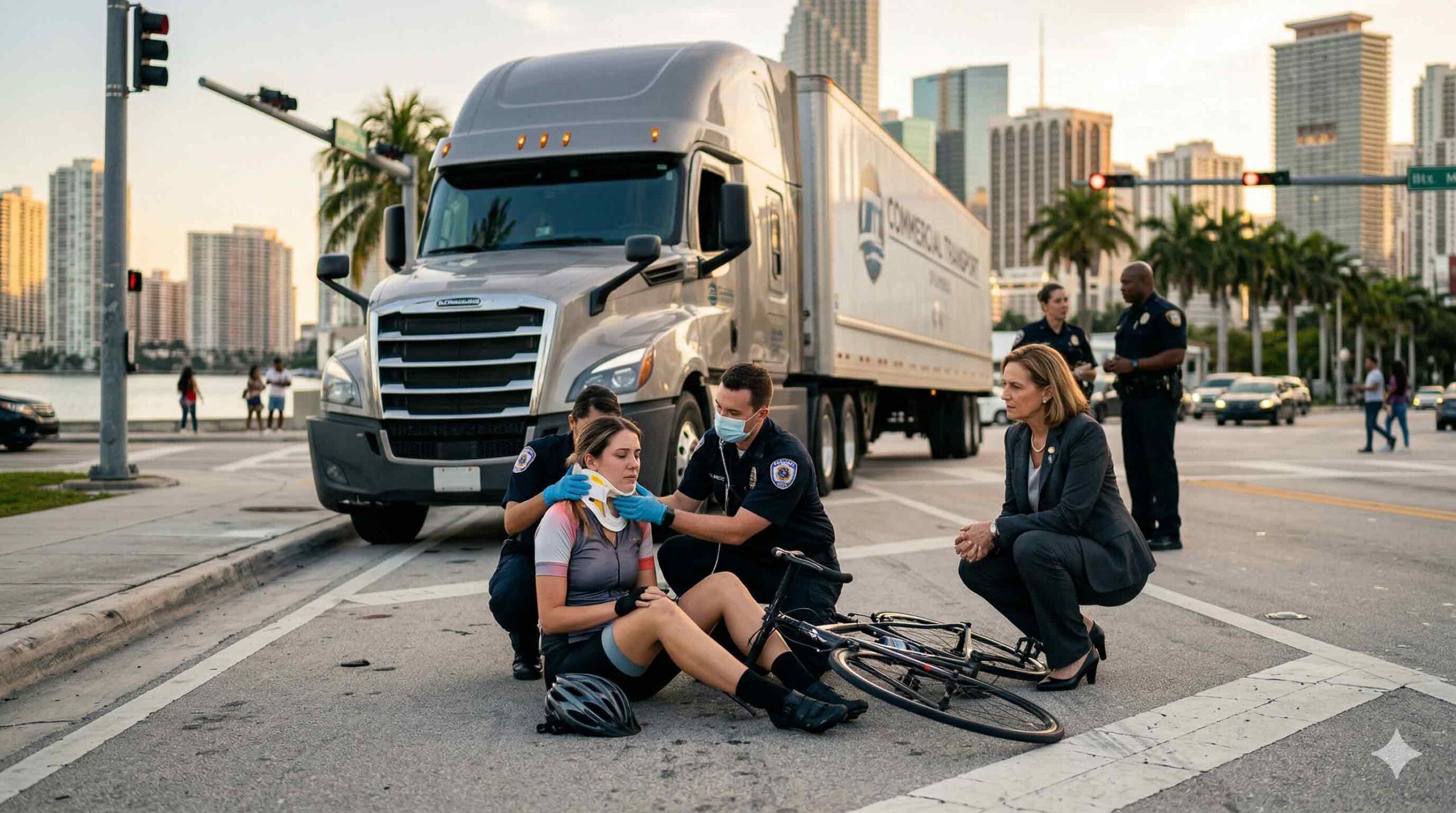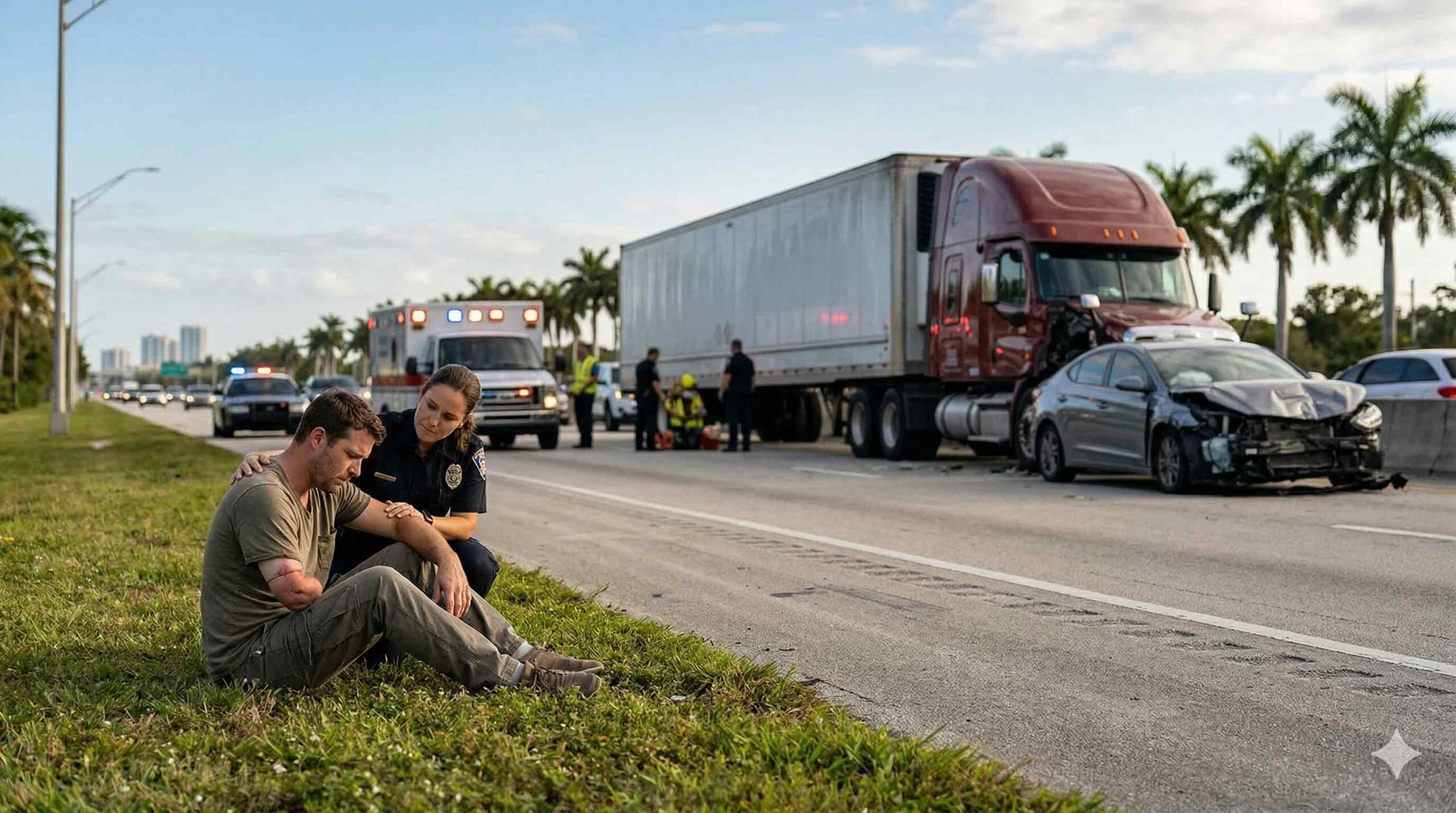
An injury that results in paralysis is not just emotionally shattering; it is fundamentally life-changing. You suddenly face daunting medical bills, extensive rehabilitation, and a permanent shift in your earning capacity and lifestyle.
If you or a loved one were paralyzed in an accident caused by someone else’s negligence, you should not have to bear this heavy financial burden alone. You may be entitled to significant legal compensation to help secure your future.
Understanding Paralysis: A Life-Altering Catastrophic Injury
Paralysis is a broad medical term referring to the loss of muscle function in part or all of the body. These catastrophic injuries are typically caused by severe trauma to the brain, spinal cord, or central nervous system.
Because it drastically limits mobility, independence, and overall quality of life, paralysis requires comprehensive medical intervention and often lifelong care. Depending on the location and severity of the nerve damage, victims may experience global (total body) or localized impairment.
Common Types of Paralysis
Quadriplegia (Tetraplegia): Stemming from high-level spinal cord injuries, this condition results in the loss of function in all four limbs and the torso.
Paraplegia: Usually resulting from trauma to the lower spinal cord, this causes the loss of use of the victim’s legs and lower half of the body.
Triplegia: This specific type of paralysis affects exactly three limbs—typically both legs and one arm. It involves a unique pattern of impairment and is highly debilitating.
Incomplete Paralysis: Victims may retain partial functionality, experiencing sensations like tingling, weakness, or numbness due to an incomplete spinal cord tear.
Common Causes of Paralysis in Florida Accidents
Paralysis rarely occurs without a forceful, catastrophic event. When another party’s reckless actions lead to severe trauma, they must be held legally accountable.
Motor Vehicle Collisions
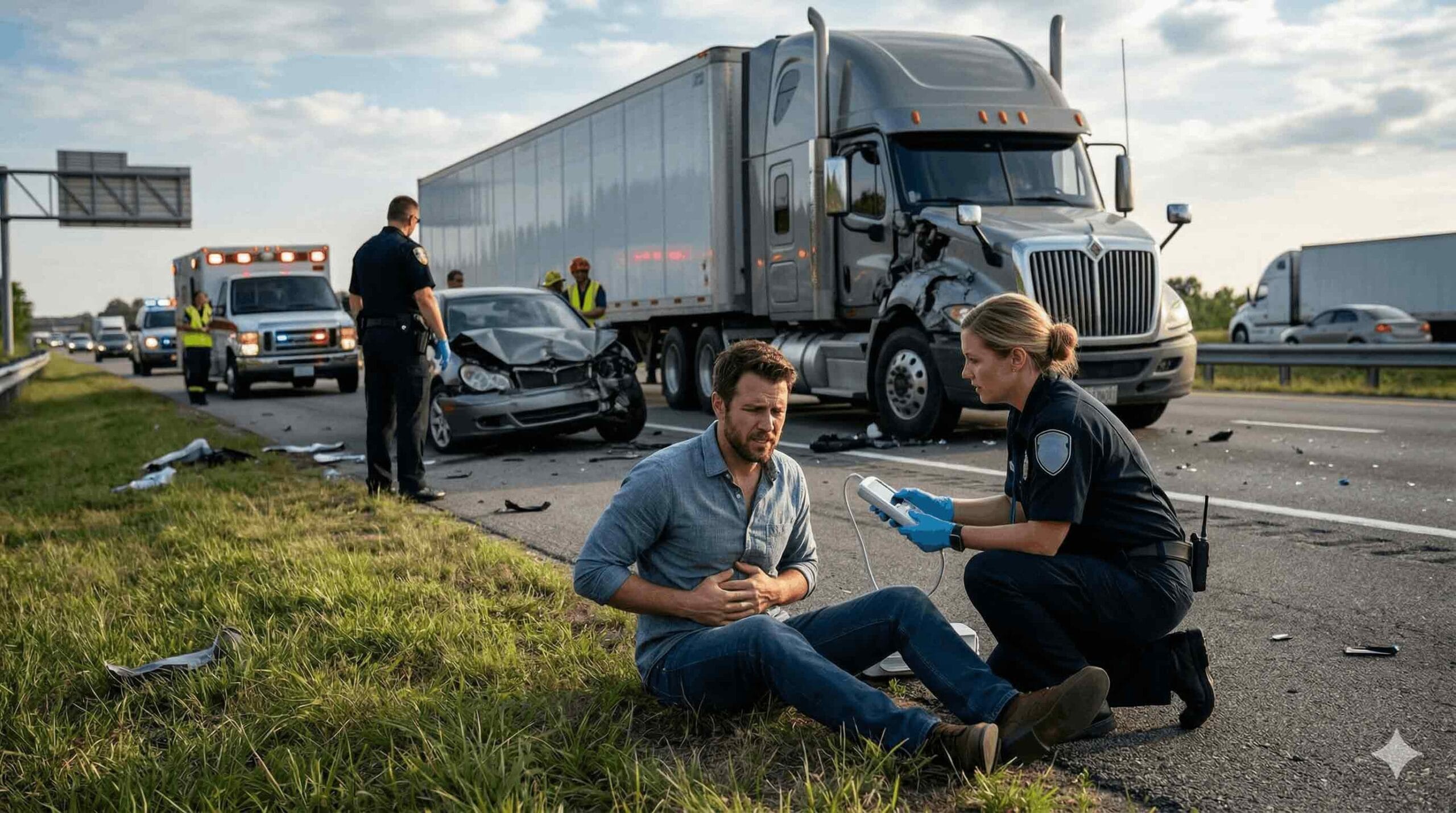
Car, truck, and motorcycle crashes are the leading causes of spinal cord trauma. A driver who fails to check blind spots, drives while intoxicated, or ignores traffic signals can easily cause a high-impact collision resulting in irreversible paralysis.
Slip and Fall Incidents
Property owners have a legal obligation to keep their premises safe for visitors. If a dangerous condition—such as a wet floor, broken staircase, or lack of lighting—causes a severe fall, the negligent property owner can be held liable for the resulting spinal trauma.
Medical Malpractice
In some tragic cases, surgical errors, birth injuries, or delayed diagnoses can sever or damage crucial nerves. When healthcare providers fail to meet the standard of care, they can cause permanent paralyzing injuries.
How Liability is Determined in Paralysis Claims
To secure fair compensation, a victim must file a negligence claim against the responsible person or entity. Winning this claim requires successfully proving four fundamental legal elements:
The Four Elements of Negligence
Duty of Care: The defendant had a legal obligation to act as a reasonable, prudent person would under similar circumstances. For example, motorists owe a duty of care to everyone else sharing the road.
Breach of Duty: The defendant violated this duty through a specific action or omission, such as failing to yield the right of way.
Causation: The defendant’s breach directly caused the accident. It must be proven that the injury would not have occurred but for their carelessness.
Damages: The victim suffered quantifiable harm, such as medical expenses and loss of mobility.
Understanding Comparative Negligence
Florida operates under comparative negligence laws. This means that even if you are found partially at fault for the accident, you may still be able to recover damages. However, your total compensation will be reduced by your assigned percentage of fault.
Comprehensive Compensation Available for Paralysis Victims
Because paralysis is a permanent and life-altering condition, the financial damages awarded in these cases are often substantial. Courts aim to provide victims with enough support to maintain a reasonable quality of life.
Economic Damages
Past and Future Medical Costs: Including surgeries, hospital stays, and emergency room bills.
Long-Term Care Plans: Covering in-home nursing care, physical therapy, specialized wheelchairs, and home modifications (like ramps or widened doorways).
Lost Wages and Earning Capacity: Compensation for the income you lost during recovery and the future earnings you can no longer generate.
Non-Economic Damages
Pain and Suffering: Compensation for the physical pain endured during and after the accident.
Mental Anguish: Damages for the psychological trauma, depression, and loss of independence associated with paralysis.
Loss of Enjoyment of Life: Acknowledging that you can no longer participate in hobbies, sports, or family activities you once loved.
Crucial Steps to Take After an Accident Causing Paralysis
The moments and days following a severe accident are critical for both your physical recovery and your legal rights.
Seek Immediate Medical Attention: Getting prompt treatment is vital for mitigating spinal damage and creating a documented medical record.
Gather Evidence: If possible, have someone take photos of the accident scene, gather witness contact information, and obtain a police report.
Do Not Speak to Insurance Adjusters Alone: Insurance companies often try to minimize payouts for catastrophic injuries. Let a legal professional handle all communications.
Retain Trusted Legal Counsel: Given the complexities of catastrophic injury claims, securing elite legal representation is paramount. By consulting an experienced injury attorney, you ensure your rights are aggressively protected.
The Statute of Limitations for Paralysis Lawsuits
Time is of the essence when filing a personal injury claim in Florida. This time limit is known as the statute of limitations.
Generally, victims have a restricted window to file a lawsuit from the date the accident occurred. Historically, Florida allowed four years for standard negligence claims, but recent legal updates and specific case types (like medical malpractice or wrongful death) often impose a strict two-year deadline. Missing this deadline means permanently forfeiting your right to seek compensation.
Contact a Trusted Miami Motorcycle Crash Attorney Today
Drivers who fail to exercise proper care on South Florida roadways must be held accountable for the devastation they cause. You do not have to navigate the complex legal system alone while struggling to recover from severe injuries.
Let the skilled, empathetic team at The Law Offices of Robert Dixon handle the insurance companies and aggressively fight for the maximum compensation you deserve.